
Digital Forensics On-Scene Triage: A Best Practice Discussion
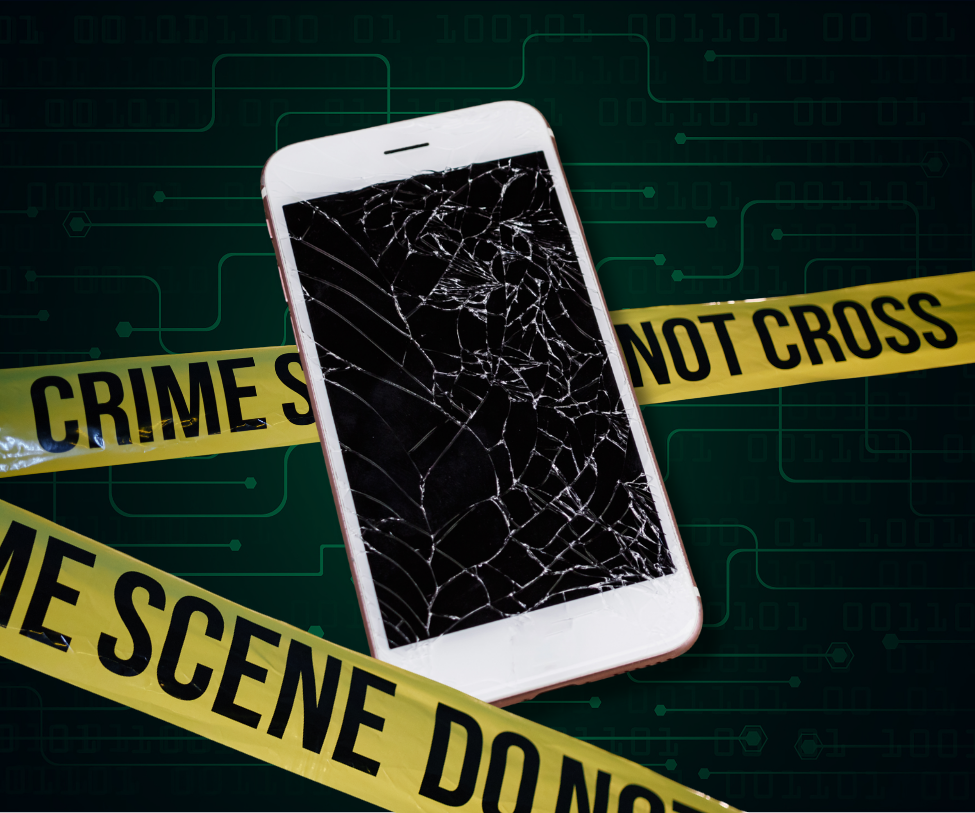
The role of digital evidence in investigations has expanded dramatically. Due to technological advances, coupled with exponentially larger storage capacities and the proliferation of new applications and software across personal and public devices, the volume of data at crime scenes has surged. This growth has been a factor in a crisis of ever-increasing caseloads and crippling backlogs in forensic labs across the country.
To manage this operational reality, on-scene triage — the immediate, forensically sound preliminary examination of digital devices — is now recognized as a critical best practice. The challenge for most law enforcement agencies (LEAs) lies not in debating its value, but in establishing practices that work despite genuine resource constraints, institutional resistance, and the responsibility of maintaining evidence integrity.
The Urgent Case for On-Scene Triage (Advantages)
On-scene triage is vital for two primary reasons: evidence preservation and expedited intelligence.
1. Evidentiary Preservation & Data Volatility
Preventing Irreversible Data Loss: This is most critical for mobile devices. New security features like automatic reboot (which locks down a phone after a set time, making acquisition nearly impossible) and the time-based degradation of artifacts (where critical data like location logs or deleted messages disappear) render the old method of simply bagging and tagging obsolete. For preservation, experts agree: the quicker, the better is the only reliable rule.
Capturing Volatile Evidence: Triage allows for the collection of volatile data that would otherwise be lost forever once a device is powered down. While this has traditionally focused on RAM contents, active network sessions, or running processes on computers, recent forensic advancements now make RAM capture on mobile devices a reality. Capturing this "live" data before it is lost is a critical component of a modern forensic strategy.
2. Expediting Investigations
Crucial Immediate Leads: In cases involving child sexual abuse material (CSAM), missing persons, and homicide, time is often measured in children safeguarded, lives saved or cases solved. Triage can immediately locate files or communications needed for securing additional warrants, making an arrest, or finding a victim. While beneficial for other crimes like narcotics investigations or organized retail theft, the need for immediate, on-scene leads is a high priority in many violent and time-sensitive cases.
Resource Efficiency and Minimizing Collateral Impact: Triage allows personnel to rapidly determine the possible evidentiary value of a device. This prevents the lab from increasing a backlog or from wasting months analyzing unnecessary data, but it also serves a vital community function: minimizing unnecessary seizures and collateral impact on victims, witnesses, and uninvolved family members. By confirming a device is irrelevant at the scene, investigators can avoid taking a phone an elderly relative relies on for medical communication and safety or a child's school-assigned Chromebook needed for assignments. This targeted approach ensures only high-priority items enter the lab while maintaining public safety and trust.
Understanding and Overcoming Organizational Constraints (Challenges)
While the benefits are clear, universal implementation faces significant institutional hurdles:
Organizational Misunderstanding and Leadership Priorities: One of the most substantial barriers is often the failure of leadership to prioritize digital forensics. If supervisors and command staff misunderstand the technical risks and legal urgency of digital evidence, they fail to allocate necessary funding for personnel, training, and equipment. As noted, digital forensics must be prioritized by executive leadership for any systemic change to occur. This resistance to change and investment is a major and constant constraint.
Resource Constraints (Equipment and Personnel): Agencies struggle to afford adequate numbers of personnel, sufficient training, and the necessary validated field-portable forensic tools. Due to cost, most departments must use their access and extraction tools in both the lab and the field, making portability and ease-of-use critical features.
Maintaining Evidence Integrity: The act of running tools on a live device carries the inherent risk of modifying metadata or shifting its encryption state. Maintaining the integrity of evidence during triage relies on validated forensic protocols and software that minimizes the interaction footprint. Triage is tenable only when LEAs establish clear procedures to control and document every action, ensuring that any unavoidable system changes are technically explained, documented, and defensible in court. This requires training, proper tools and equipment, and a commitment to rigorous procedural compliance.
Training Deficiencies: A common challenge is that most first responders lack the foundational knowledge required to recognize and secure digital evidence correctly. They may unintentionally destroy volatile evidence (e.g., turning off a running computer) or incorrectly handle a mobile device, leading to avoidable mistakes.
Finding the Path Forward: Flexible Implementation Strategies
Agencies can adopt a practical model by focusing on training and equipping existing personnel with the right validated field-portable forensic tools that serve dual duty in the lab and the scene:
Utilizing Existing Personnel: The most effective triage is performed by current digital forensic examiners, investigators, or technicians who are deployed from the lab to the scene. However, to act as a force multiplier, agencies should consider training field detectives or investigators in the specialized function of field digital evidence handling and collection. This training would allow these investigators to perform proper collection and limited triage when an examiner cannot be present.
The Dual-Purpose Toolkit: Policy should address the use of validated field-portable forensic tools - tools and software licenses that are validated for forensic use, easy to deploy, and robust enough for field work. These tools should include hardware or software write-blockers to ensure that any data accessed is not altered.
Considerations for Developing a Triage SOP
Developing a Standard Operating Procedure (SOP) is essential for legitimizing field triage. An effective SOP requires thoughtful consideration of the following points:
Pre-Deployment Preparation: The SOP should outline clear steps for verifying the search warrant scope and confirming the operational status of the validated field-portable forensic tools.
Scene Documentation & Safety: Procedures should require meticulous documentation, including photography of the device's original location and status (on/off, charging, network connection) before any interaction.
Isolation Protocols: The procedure should address the use of Faraday bags and network isolation techniques (like Airplane Mode or physical disconnection) to prevent remote access or data alteration.
Decision Matrix: The SOP should provide guidelines for when triage is appropriate (e.g., immediate lead generation, volatile data capture, or confirmation of probable cause) versus when the device should be seized immediately and transported.
Tactical Acquisition and Legal Scope: The SOP should define the specific objectives and boundaries of the field examination. The SOP must guide the examiner in balancing the forensic ideal of full-device acquisition against the realities of legal constraints and on-scene time. While a comprehensive capture is always the gold standard and should be prioritized, the SOP should provide a framework for objective based data extraction such as RAM, volatile artifacts, or specific warrant-authorized categories when jurisdiction, warrant language, or immediate investigative necessity dictates a more targeted approach.
Mandatory Documentation: A standardized triage checklist should be utilized for every device, detailing every action taken, every tool used, every file accessed, and the time spent, ensuring a clear and auditable chain of custody.
By focusing on standardized training and the dual-purpose deployment of existing forensic resources, agencies can successfully implement on-scene triage, reducing backlogs and better serving the interests of justice. However, it must be recognized that the ability to implement this best practice is not yet universal.
For many agencies, a lack of specialized forensic staff, limited budgets for field-validated tools, or a lack of leadership prioritization means that digital evidence handling remains a significant vulnerability. True progress requires more than just technical tools; it requires a fundamental shift in how law enforcement leadership values and resources digital investigations. As digital evidence continues to grow in complexity, the departments that prioritize these resources will be the best equipped to handle modern caseloads efficiently and maintain the high standards of integrity that the community expects.
